Skip the Warehouse, Work the Block: Why Your Next Sale Belongs Down the Street
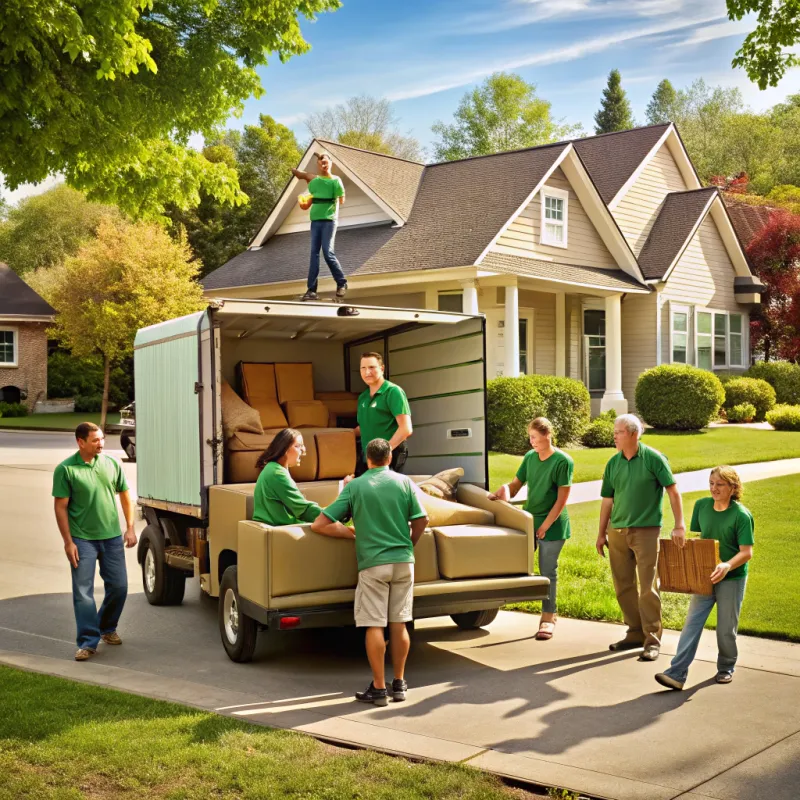
Photo: neighbors exchanging furniture sale driveway pickup, via designconundrum.com
There's a moment every seller knows well. You've listed your item on a big national marketplace, the fees hit, the shipping label costs more than you expected, and a buyer three time zones away wants you to answer twenty questions before ghosting you. Meanwhile, the person four streets over has been looking for exactly what you're selling.
That gap — between the giant platform and the neighbor next door — is where smart sellers are quietly making better money.
The Math Nobody Runs Until It's Too Late
Let's do the arithmetic most people skip. Say you sell a $200 patio set on a major platform. Factor in a seller fee of 10-15%, packaging supplies, and shipping or freight costs that can easily run $60 or more for bulky items. Suddenly that $200 is closer to $100 in your pocket — assuming it doesn't get returned.
Now sell that same patio set to someone in your subdivision. They bring a truck. You help them load it. No fees on many neighborhood apps and community groups, no shipping, no packaging tape. You keep nearly every dollar.
That difference isn't a rounding error. For furniture, appliances, exercise equipment, lawnmowers, and kids' gear — the bulky, heavy stuff Americans constantly buy and offload — local selling frequently doubles your effective margin.
The Trust Premium Is Real
Here's something national platforms can't manufacture: a handshake.
When a buyer meets you in a church parking lot or your driveway, they can kick the tires, plug in the appliance, and see exactly what they're getting. That face-to-face moment eliminates the single biggest fear in online commerce — is this thing what the photos claim? — and buyers pay for that certainty.
Sellers notice it in practice. Local buyers haggle less aggressively, ask fewer paranoid questions, and rarely file the kind of chargebacks that drain national sellers. A person who has seen your face and your garage is far less likely to claim the item "wasn't as described."
There's also a reputational loop that big platforms can't replicate. Sell a crib to a neighbor and you might see them at the grocery store. That accountability cuts both ways, and it makes transactions smoother on the whole.
Where Local Selling Shines — and Where It Doesn't
Local-first listing works best for:
- Heavy or oversized items. Anything you'd dread boxing up.
- Category classics. Bikes, tools, yard equipment, furniture, sporting goods.
- Time-sensitive stuff. Moving sales, before a lease ends, before the baby outgrows it.
- Items with a local buyer pool. Snow blowers in Minnesota, surfboards in San Diego.
Where it falls short: small, shippable, high-value goods. A collectible trading card or a vintage watch has a national (or global) buyer pool, and the extra exposure on a big platform can drive the price up more than fees drag it down. Vintage and niche items also benefit from more eyeballs than your zip code can provide.
How to Sequence Your Listings
If you're deciding where to list first, try this order of operations:
- Start local. Post to neighborhood apps, community groups, and local pickup listings. Price fairly and give it three to five days.
- Gauge the response. Fast local interest? Done — you've saved the fees and the hassle.
- Escalate if it stalls. If local buyers aren't biting, expand to a national platform, and price in the fees and shipping from the start.
A few local-listing tips worth their weight:
- Photograph in good light and show flaws honestly. Local buyers will see them anyway at pickup.
- State your terms up front. "Cash or Venmo at pickup, porch pickup available, no holds without a deposit."
- Use landmarks, not your address. Meet in public spots when the item is small enough to transport.
- Answer fast. Local buyers move quickly — often same-day — because they can.
The Bigger Picture
None of this means national platforms are obsolete. They're unmatched for reach, and for anything rare, small, or shippable, they're the right call. But the reflex to list everything on the biggest stage possible costs everyday sellers real money.
The next time you've got something to sell, look out your window before you open a shipping calculator. Your best buyer might be a two-minute drive away — and unlike the platform, the neighborhood doesn't take a cut.