Sitting on Stock or Sitting on a Time Bomb? How to Know When to Hold and When to Let It Go
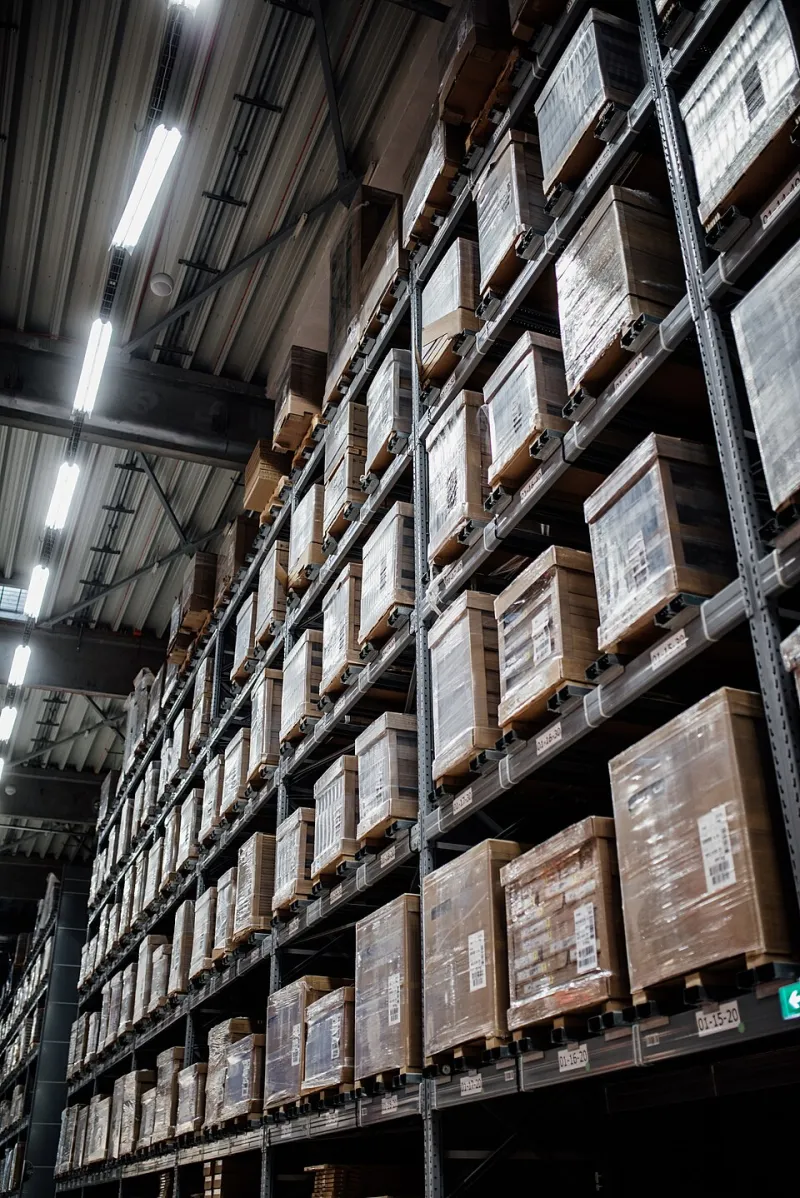
Photo: Shixart1985, CC BY 2.0, via Wikimedia Commons
Every seller has been there. You've got a box (or a storage unit, or a spare bedroom) full of stuff you know is worth something. The question is: worth something now, or worth something eventually—and is there even a difference?
That gap between now and eventually? It has a price tag. And a lot of sellers never stop to calculate it.
Whether you're flipping vintage sneakers, clearing out a retail overstock, or managing a growing resale side hustle, the hold-vs.-liquidate decision is one of the most consequential calls you'll make. Get it right, and you're playing chess. Get it wrong, and you're just stockpiling regret.
The Hidden Cost of "Just Waiting a Little Longer"
Here's something most casual sellers don't factor in: inventory sitting idle isn't neutral. It's actively costing you.
Storage costs are the obvious one—whether you're paying for a unit, renting extra space, or simply living with a cluttered garage. But the sneakier drain is opportunity cost. Every dollar tied up in unsold inventory is a dollar you can't use to buy something with better margins, fund a new category, or reinvest in your actual business.
Let's say you bought 20 units of a trending kitchen gadget for $15 each. You've sold 14 of them at a solid $45 profit per unit. But the last six have been sitting for three months. You're not losing money yet, technically. But you've got $90 in tied-up capital, you're paying to store them (even if it's just mental real estate), and meanwhile, a new version of the product just dropped. Now you're not just waiting—you're competing against better.
That's the flip-or-flop trap in a nutshell.
When Holding Actually Makes Sense
Patience isn't always the enemy. Sometimes it's the whole strategy.
Seasonal products are the clearest case. If you're sitting on a stockpile of Halloween decorations in November, you're not behind—you're early. Hold through winter, list again in August, and you've just given yourself a raise without doing any extra work.
Collectibles and limited editions can also reward the patient seller. Vintage video games, discontinued sneakers, rare trading cards—these categories often appreciate over time, especially when supply shrinks and nostalgia grows. The catch? You need to actually know your category. Holding a "rare" item that turns out to be widely available is just hoarding with extra steps.
Low storage cost, high upside scenarios are worth the wait. If you can store something cheaply (or for free), and you have solid reason to believe demand will rise, holding is a defensible call. The math just has to work.
Quick Hold Checklist:
- Does this item have a known seasonal demand spike?
- Is supply genuinely limited and shrinking?
- Can I store it for under 5% of its expected sale price per month?
- Do I have data (not just hope) suggesting the price will rise?
If you answered yes to at least three of those, holding might be your move.
When Liquidating Fast Is the Smarter Play
Liquidation gets a bad reputation because it feels like losing. You bought it for X, you're selling it for less—that's a loss, right?
Not always. Sometimes it's just a reallocation.
Trend-dependent products have a shelf life, and it's shorter than you think. If you're holding fidget spinners in 2025, no amount of patience is going to fix that. Fast-moving consumer trends don't reverse; they just get replaced. The faster you recognize a trend cooling, the more you'll recover.
Tech and electronics depreciate fast—sometimes faster than cars. A smartphone that was worth $400 resale six months ago might be worth $250 today because a newer model dropped. Holding tech is almost always a losing game unless you're in a very specific niche.
High-volume, low-margin items that aren't moving are a cash flow problem waiting to become a cash flow crisis. If you've got 50 units of something that's selling one per week at a $3 margin, do the math. That's not a business—that's a very slow way to make $150.
Quick Liquidate Checklist:
- Has this item been listed for more than 60 days without a sale?
- Is a newer version or competitor product now available?
- Am I storing this at a cost that eats into my expected margin?
- Did I buy this based on a trend that's clearly cooling?
Three or four yeses here? It's time to move it.
Category Case Studies: Different Rules for Different Products
Clothing and Apparel: Fashion is unforgiving. Unless it's vintage or designer, off-trend clothing loses value fast. General rule: if it hasn't sold in 45 days, drop the price 20% and reassess. Seasonality matters enormously—hold summer dresses through winter, but don't let them sit a second summer.
Home Goods and Furniture: These tend to hold value better, especially quality pieces. Storage is the issue—large items cost more to keep. If you can't store it cheaply, liquidate at a modest discount and move on.
Sports Equipment: Highly seasonal and condition-sensitive. Ski gear in March? Hold until October. A treadmill that's been in your garage for eight months? List it now, because condition only goes one direction.
Books and Media: The market is brutal. Physical media depreciates fast, with exceptions for first editions, signed copies, and specific collectible runs. If it's not special, price it to move.
Your Decision Tree in Plain English
When you're staring at that box of unsold stuff, here's how to think through it:
- Why hasn't it sold? Price too high, wrong platform, bad photos, or genuinely low demand? Fix what's fixable first.
- What does storage actually cost? Be honest—including your time, space, and mental overhead.
- What's the realistic upside if you wait? Not the optimistic upside. The realistic one.
- What could you do with that capital instead? This is the question most sellers skip, and it's the most important one.
- Is there a trend or seasonal window coming? If yes, how confident are you, and can you afford to wait?
If the math on holding doesn't clearly beat the math on selling (even at a discount), sell.
The Bottom Line
The best sellers aren't the ones with the most patience or the most urgency—they're the ones who can tell the difference between the two situations. Inventory is a tool, not a trophy. The goal isn't to hold things; it's to turn them into cash (and then better things).
BuyTowe is built for exactly this kind of smart commerce. List fast, price strategically, and keep your capital working for you—not sitting in a box in your basement hoping for better days.
Sell smart. Move forward.