Gone Before You Got There: How to Stop Marketplace Listings from Slipping Through Your Fingers
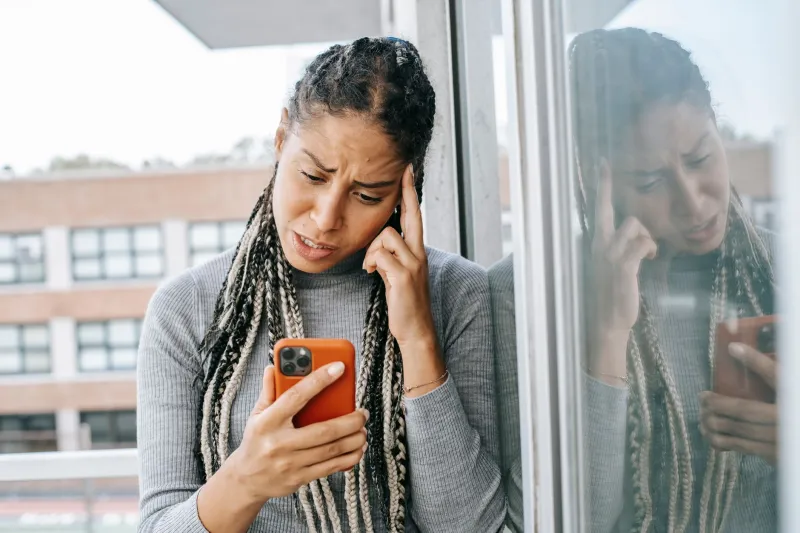
You know the feeling. You spot something great — the right price, the right condition, exactly what you were looking for. You screenshot it, tell yourself you'll grab it after dinner, and come back to find a blank page where that listing used to live.
It happens constantly on online marketplaces, and it's one of the most frustrating experiences in digital shopping. The item didn't sell out in the traditional sense. It just vanished. No warning, no explanation, no second chance.
So what's actually going on? And more importantly, what can you do about it?
Why Listings Disappear (It's Not Always What You Think)
Most buyers assume a listing disappears because someone else bought it. Sometimes that's true. But there are a surprising number of other reasons a product can evaporate mid-consideration.
Sellers change their minds. Life happens. A seller lists something, gets an offer from a neighbor, decides they want to keep it, or just loses interest in the hassle of shipping. Pulling a listing takes about three seconds on most platforms, and there's no obligation to leave it up.
Platform algorithms pull items automatically. Many major marketplaces use automated systems to flag and remove listings that violate guidelines — even if the violation is minor or accidental. A keyword in the description, an image that doesn't meet specs, or a category mismatch can trigger removal without any human review. The seller might not even know it happened right away.
Listings expire. On platforms like Craigslist or certain Facebook Marketplace categories, listings have a shelf life. If the seller doesn't renew them, they quietly disappear. The item might still be available — the seller just didn't bother to repost.
Price errors get pulled. If a seller accidentally lists something way below market value and starts getting flooded with messages, their first instinct is often to take it down and rethink rather than deal with the chaos.
Account suspensions. If a seller's account gets flagged or temporarily suspended, all their active listings come down with it — even if the items were completely legitimate.
The Window Is Shorter Than You Think
Here's something most casual buyers underestimate: the average time-to-gone on desirable secondhand listings is shockingly fast. On platforms like eBay, Poshmark, or Facebook Marketplace, items in good condition at fair prices can move within hours of being posted — sometimes within minutes if the seller has a following.
The browsing-then-deciding approach that works fine at a retail store is genuinely risky in peer-to-peer commerce. When you're shopping at Target, that jacket will be there tomorrow. When you're shopping a private seller's listing, there's no such guarantee.
This doesn't mean you need to panic-buy everything you see. It means you need a smarter approach to the consideration phase.
How to Lock Down a Deal Before It Disappears
Move fast on high-demand items. If you're looking at something in a popular category — electronics, sneakers, vintage clothing, tools — treat it like a limited-time offer even when it doesn't say so. The longer you wait, the more risk you absorb.
Message the seller before you fully commit. A quick message like "Hey, is this still available?" serves two purposes: it confirms the listing is live and active, and it puts you on the seller's radar as an interested buyer. Sellers often prioritize buyers who've reached out over strangers who just hit "buy."
Ask for a hold — and make it easy to say yes. Most sellers are reasonable people. If you need a few hours to arrange payment or sort out shipping details, just ask. Something like, "I'm definitely interested — can you hold it for me until tomorrow morning?" is a simple, low-pressure request. Sweeten it by being specific about your timeline and clear about your intent.
Screenshot everything. This isn't just for nostalgia. If a dispute arises later — wrong item shipped, condition mismatch, seller claims you never committed — having screenshots of the original listing and your messages is your best protection. Capture the price, the photos, the description, and any conversation.
Check for cross-posting. Many sellers list the same item on multiple platforms simultaneously. If a listing on one site goes dark, it's worth searching for the same seller or the same item elsewhere. You might find it still available — just on a different platform.
Use watchlists and save features strategically. Most platforms let you save or watch a listing. While this doesn't guarantee availability, it can send you notifications if the price drops or the listing is relisted after being taken down.
What to Do After a Listing Vanishes
If you missed an item you really wanted, don't just move on. Do a little detective work first.
Search for the seller by username or profile name. If they're still active, they may have relisted the item or have something similar. Reach out directly if the platform allows it — a message saying "I saw your listing for X before it came down — is it still available?" sometimes leads to a sale that never would have happened otherwise.
You can also set up saved searches or alerts for the same type of item. Platforms like eBay have robust alert systems that notify you when new listings matching your criteria go live. Getting there first is the whole game.
The Bigger Picture
Shopping on a marketplace like BuyTowe means engaging with real people, real inventory, and real uncertainty. That's part of what makes it exciting — and occasionally frustrating. Unlike a big-box retailer with a warehouse full of restocked inventory, peer-to-peer listings are one-of-a-kind moments.
The buyers who consistently find great deals aren't necessarily the fastest clickers. They're the ones who've learned to move with intention, communicate early, and treat every promising listing as something worth protecting before the window closes.
Next time you find something you want, don't sleep on it. The listing might still be there in the morning — but it might not.